
Jensen Huang Refuses to Testify: Nvidia’s CEO Snubs the US Senate on China
The most powerful man in AI chips just handed Washington a political firestorm
In a nutshell
An Invitation Declined — and a Message Sent
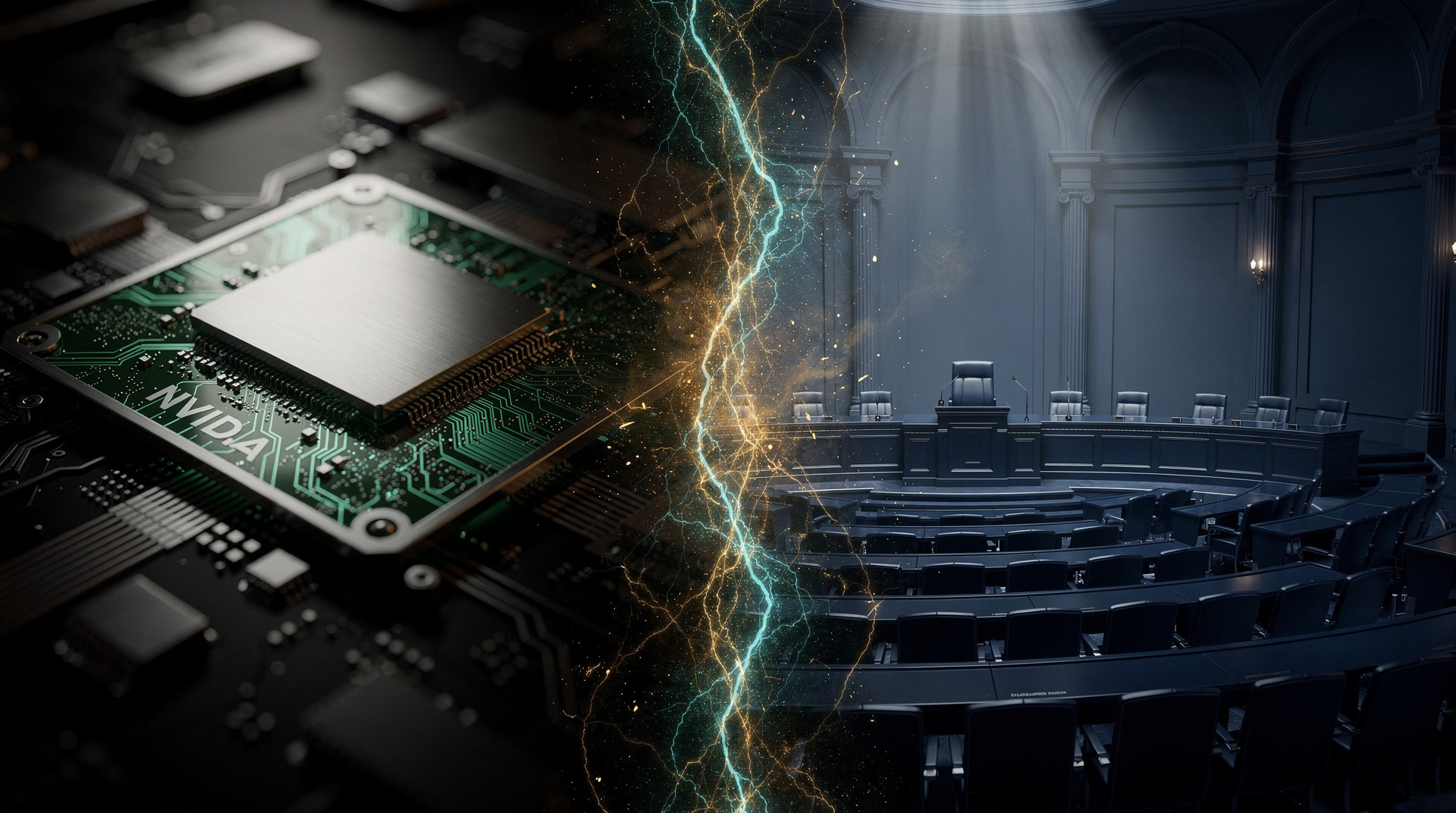
The scene was set for one of Washington's most consequential technology hearings in years. Senator Elizabeth Warren had personally invited Nvidia CEO Jensen Huang to testify before the Senate Banking, Housing, and Urban Affairs Committee on June 11 — a public reckoning over Nvidia's chip sales to China and the company's position on US export control law. Huang said no.
Nvidia's chief executive declined Warren's invitation to testify at the hearing, offering instead to host lawmakers at Nvidia's headquarters in Santa Clara, California, or meet in another forum. Warren responded on June 8, stating that the American people deserve answers in a public forum. The hearing, titled "AI and the American Dream: Promoting Innovation, Affordability, and American Dominance," proceeds on June 11 — but without the industry's most important witness.
Why This Matters Far Beyond Washington Protocol
The refusal is not merely a question of corporate etiquette. At its core, it exposes the fundamental tension between Nvidia's commercial interests and US national security policy. Warren wanted Huang to answer publicly about Nvidia's views on US export control laws and regulations and the company's business in China — a line of questioning that goes directly to whether American technology is fuelling Beijing's military AI ambitions.
The timing is acutely sensitive. As watchchina.ai reported last week, a Bloomberg investigation revealed that Chinese military universities — including institutions from the elite Seven Sons of National Defense — are actively seeking Nvidia's most powerful AI processors. DeepSeek's newly released V4 model was simultaneously optimized for Huawei's Ascend chips, a deliberate signal that China is building parallel AI infrastructure designed to survive American export restrictions. Against this backdrop, Huang's absence from the Senate chamber will be read in Beijing as a sign of Washington's internal fractures — and in Silicon Valley as a warning that the political pressure on the chip industry is reaching a breaking point.
China's export data for May, released today, underscores what is at stake: exports of automated data processing equipment soared 66.1% year-on-year, high-tech products rose 50.9%, and overall exports expanded 19.4% — buoyed by robust global demand for chips and AI-related hardware. The AI boom is rewriting China's trade landscape — and Nvidia sits at the center of it.
Sources: Prism News, Reuters, Bloomberg, CNBC, Senate Banking Committee
Strategic Analysis — For Members Only
🔒 This analysis is for watchchina.ai Intelligence members only.
Already a member? Log in here